Alligator Hunt: What we bring back
“Wait, y’all went where?” my great-grandmother asked.
“We was just hunting.”
“Oh God, not again.”
I laughed. “What do you mean?”
“Y’all crazy?” she said, laughing.
And in her eyes, we really were. Why would anyone bear the heat? Risk getting wet or eaten alive by mosquitoes?
Don’t get her started on her uncle Chaoui. If the children started acting up, he would threaten to throw them right into the water she hated so much.
He used to joke that he was born on that water, and the way she tells it, you’d believe him. He was always out there. Aunt Louise, my great-aunt, was forever having to go find him and remind him that, at some point, he was in fact supposed to come inside.
“And he knew I didn’t like that water or them gators,” she’d tell us, like she was right back there in the boat he always seemed to drag her into.
It’s a funny family story, but behind it was a different way of life. People hunted for food. Going out on the water wasn’t an excursion or something they called tradition. It was simply part of life.
As my great-grandmother puts it, you did what you had to do. For her, having the choice to leave some of that life behind was progress. Maybe that is why she finds it so strange that, generations later, many of us choose to go back. It’s true that some Creole families never stopped hunting and fishing. Other parts of my family did. But some of us return because we understand that when people stop practicing something, the knowledge doesn’t necessarily wait around for them.
II.
That morning was one of those returns. It was also a good reminder that tradition sounds a lot more romantic when you’re not ankle-deep in mud before breakfast.
The heat was already blaring when we climbed into the boat. Like always, my cousin looked like he had forgotten what we were doing that day: worn-down shorts, flip-flops, and a button-down shirt, open, of course. But if you knew him, you knew better. He was always prepared. He just never looked like it. We crowded into a simple boat with a couple of friends from Houma.
To tell you the truth, it wasn’t ideal for hunting. A storm had passed through the day before, churning up the bottom and leaving the water muddy. And like they say, if it isn’t the mosquitoes, it’s the heat. That day, we had the pleasure of both. Then there was the smell of the bait. Raw chicken quarters baking in the Louisiana heat. You’d think the stench would scare the gators away, not attract them. It definitely had me wanting to go the other direction. But muddy water, mosquitoes, heat, and the smell of that chicken weren’t turning anybody around. We pushed farther into the bayou. We all had different levels of experience hunting, but everyone seemed to have something to add: a place worth checking, something moving along the bank, a line that didn’t look the way we had left it.
Then we found her.
She was nearly ten feet long and seemed to know these waters better than any of us. She probably did. She probably had for much longer. She had taken the bait but managed to pull herself onto the bank, where she lay still beneath the trees. My brother pulled on a nearby tree to bring the boat closer to the bank, letting me hop out. I got closer to see if she was already dead.
She wasn’t. Her deep green eyes opened when I came near. She rushed back into the muddy water, but the line kept her from getting far.
I took my first shot. I missed.
“Get closer!” my cousin yelled.
The line had tired her, but she wasn’t helpless. One wrong move, and the difference between hunter and hunted could disappear.
“Right behind the eyes, Chaoui!”
“I already know that!” I yelled.
I inched forward. Her deep green eyes followed me. I saw her body tense. She moved. I fired.
This time, I didn’t miss.
Everything became quieter. We pulled her in and made room for her body among us. I rested my hand on her, taking in the life she must have lived.
“About forty-something years,” my cousin said.
“She was an old one, for sure,” one of my brothers added.
“Definitely seen a lot.”
I thought about that for a moment, my hand still resting on her, and silently thanked her for all she would provide.
III.
On our way back, we passed abandoned homes along the water. Some were disappearing behind brush and trees. Others had nearly become part of them.
My cousin pointed them out and told us how different it used to be. More families lived along the water then. Children played outside, people fished, and neighbors moved between one another’s homes. What looked quiet and overgrown now had once been a whole network of everyday life. The people aren’t gone. Creole families still live in the nearby towns, and people still hunt and fish these waters. But they aren’t the only ones out here anymore.
Another boat sped by. Alligators lay on the floor under beer bottles and trash while the men walked over them, sometimes stepping on their bodies. One man fired his gun into the air to celebrate their catch, and the others cheered and waved at us.
“Tourists,” someone said.
“From Texas, I’m sure,” my brother said, waving back at them.
I looked down at the alligator we had carefully made room for in our boat. The difference was hard to ignore. But tourism itself wasn’t what bothered me. It is part of the local economy, and it gives people another reason to keep this knowledge alive. What unsettled me was how easily the practice could remain while its relationship to the land changed. We had just passed the remains of homes where families once built their lives along these waters. Now, people came to pay for an experience in the same place those families once called home.
Communities change. Families move. Children grow up farther from the water. Knowledge that once helped people survive becomes tradition, recreation, livelihood, and tourism.
But some of it remains. And so do we.
Along with our catch and more mosquito bites than I could count, I brought my great-grandmother’s question home with me: “Why do y’all keep going out there?”
Maybe because somebody has to keep knowing. Not simply how to catch an alligator, but how to appreciate these waters and all that lives in them. How to care for what we take. How to remember the people who knew these things before us, and how to teach those who come after us. Tourism may help keep some of that knowledge useful. But the memory of our relationship with these waters cannot survive only as something someone else can purchase. The question isn’t only whether people will continue coming to see these waters. It’s who will still know them when there is no longer anyone paying to see them.
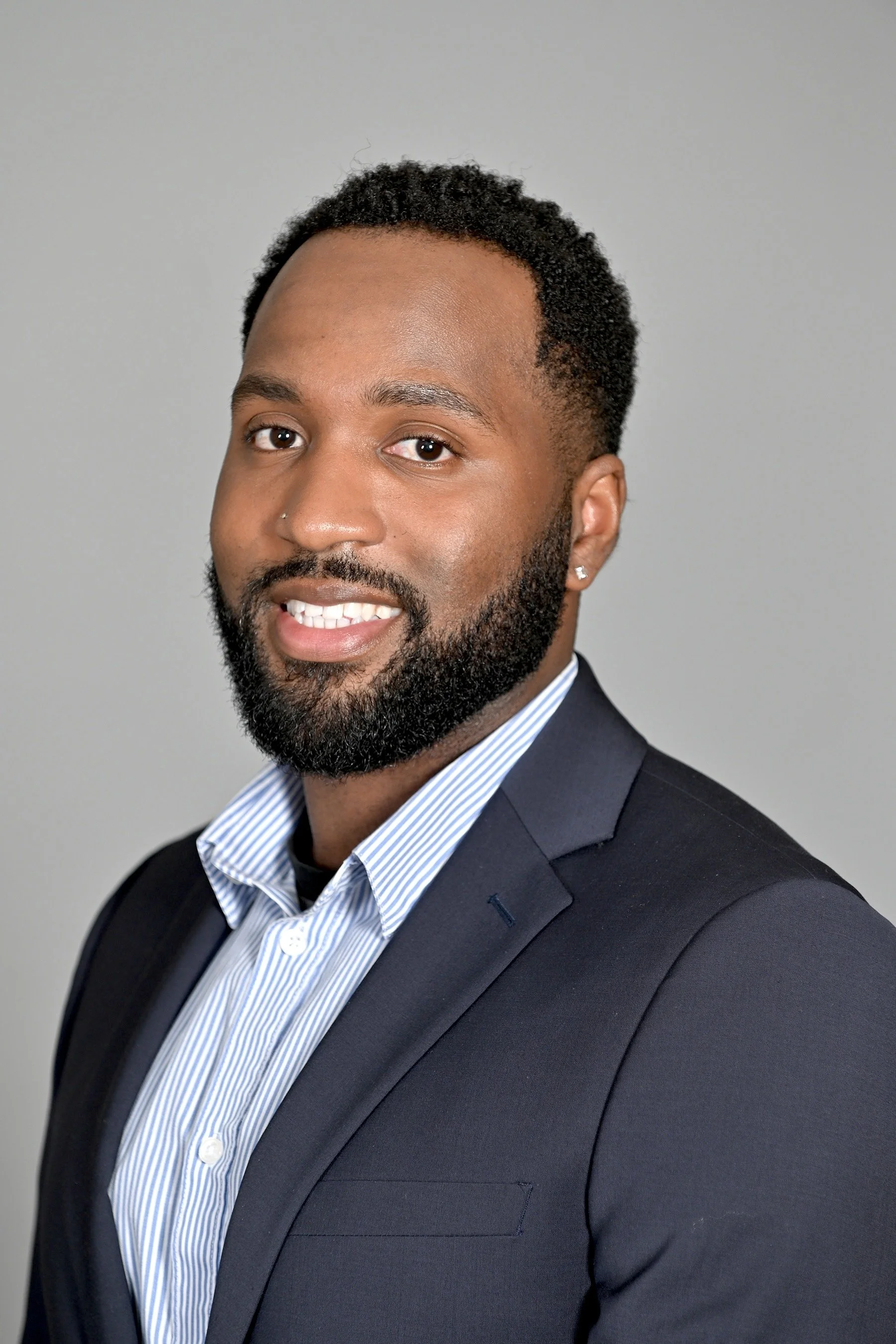
Kaël “Chaoui” Leblanc
Leblanc is a banker and development strategist whose work has included environmental revitalization across Latin America, financial resilience planning in the Caribbean, and strategies that strengthen community economies and organizational capacity throughout the Gulf South. He hopes to support the revitalization of Creole culture and the preservation of Kouri Vini and Louisiana French by incorporating his culture in future academic papers and literary projects.