English is not one of our heritage langauge?
There is a sentiment in many Southern Louisiana homes which says that English is not a heritage language of Louisiana Creole people. What this does is create serious identity crises for those of us who did not grow up speaking Creole, Louisiana French, or Isleño Spanish. However, this outcome is neither inherently good nor bad.
For some it can spark a thirst for more information regarding their family’s lineage. For others it is a denial of their right to participate in creole spaces and cultural events in a part of Louisiana where those things are extremely common. This identity crisis feeling is something many of us have experienced as members of the creole community. Even if we were raised with those aforementioned heritage languages.
Regarding the English language, many people do not consider it a heritage language, reasoning that our heritage languages must have been spoken widely in Louisiana before the territory was integrated into the United States and given official statehood. Though this seems like a reasonable definition to attribute to language, many of us forget that Louisiana was in fact a colony of the United States before it was given statehood too. Meaning that the English language, and those people who spoke it at the time, were once welcomed into creole communities and practiced with the same or similar traditions as those who spoke latin derived tongues.
For me, this relationship between our tongues puts our heritage in an interesting place. Not only do we speak creole, but our culture has the very special nature of being home to many different tongues. Creole(s), French, Spanish, and English. The original name for the land on which New Orleans now sits was Bulbancha: “The Land of Many Tongues”. So from the very beginning, even before French and Spanish settlement and colonization, the indigenous people of our southern Louisiana were already speaking many different languages, using them as a bridge between the slight differences in their own tribes’ customs.
It makes sense that many of us would look upon English negatively considering our own government, at one point in time, banned the teaching and usage of our other heritage languages in government and schools. But it is very important that we realize that our English is not used the same as the rest of the country, much less in different parts of Louisiana. Much of our English derives from Creole and French. Take the words “Boukou”, “Hé là-bas”, and “Lagniappe” for example. There are some small grammatical similarities as well.
All this is to say that English plays a larger part in our culture than many of us think. The creole identity is not confined to simply the creole language. We should perhaps learn to cherish the way we speak English, while continuing to promote the usage of our other heritage languages as well.
Happy Creole Heritage Month!
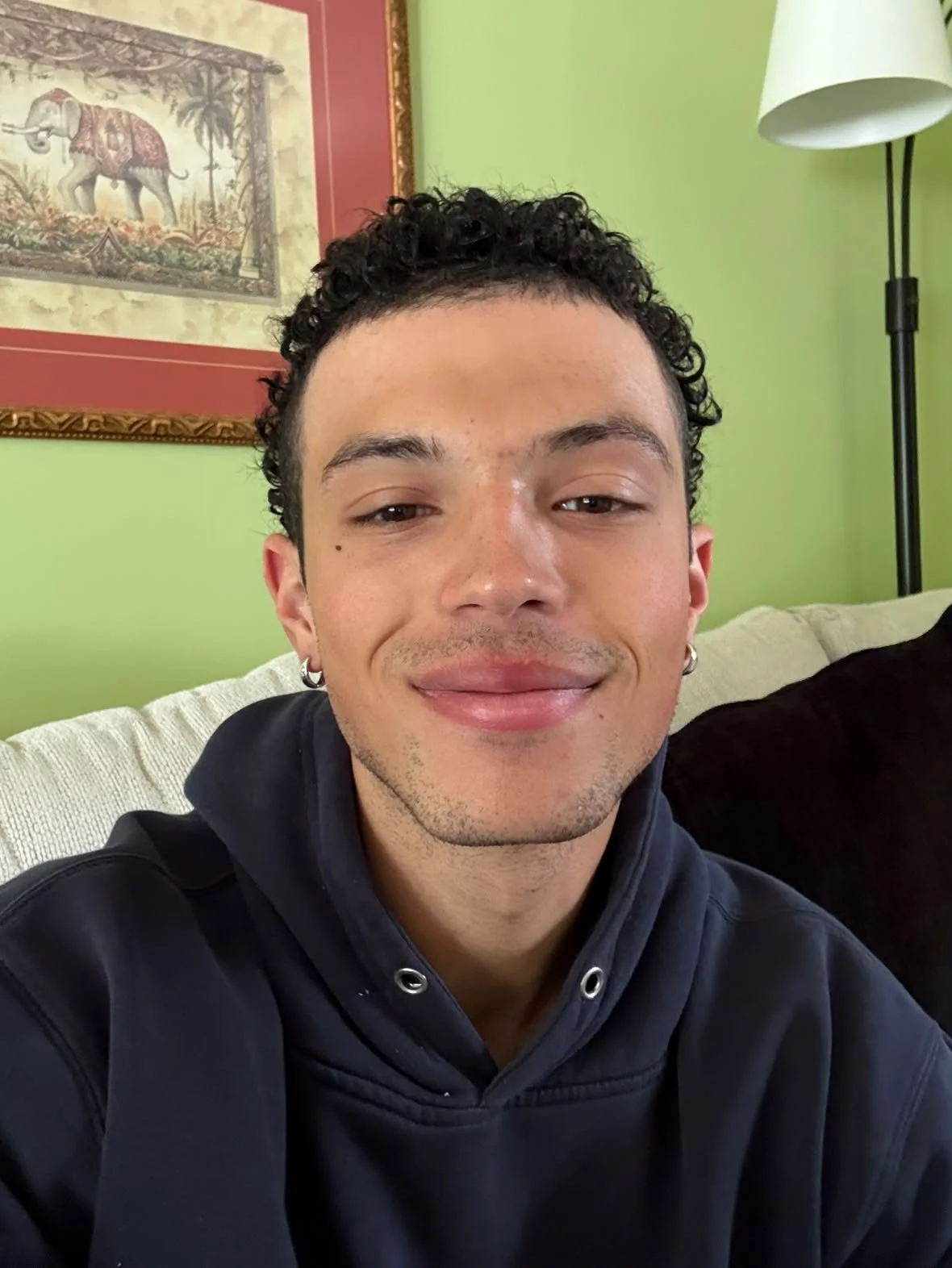
Jackson Ratliff
Born in New Orleans in 2004. He is currently a musician in Minneapolis. He’s studying music and Spanish at university. He wasn’t raised with the Creole language, but he is dedicated to the renaissance of the Creole Culture and languages. You can find his music and all of his content @bullhookjackson on all social media platforms.