Maloya
A music of resistance born in slavery by the mouth and hands of enslaved Africans and Malagasy practiced in secret, a music that survived after abolition in 1848, and that added the flavors of indentured Indians. Maloya, a word that has several possible translations such as maloy aho that means “to speak” in Malagasy or pain in several African languages. It was banned in the public by the colonial administration after Reunion Island became a French department in 1946 due to its relationship with the Creole culture in which several supported independences and even some members were part of the Communist party of Reunion Island (PCR). Even the interdiction didn’t stop Firmin Viry when he recorded the first Maloya vinyl in 1976.
Some years later, its interdiction was lifted in 1981 by Jack Lang, former minister of culture. Many musicians would appear such as Lo Rwa Kaf, Gramoun Lélé, Gramoun Sello, Danyèl Waro, and Christine Salem. Even some groups such as Ziskakan (ishka kan in Louisiana Creole) and Ousanousava (éyou n’ap kouri in Louisiana Creole). Maloya, as it is, it’s one of the most emblematic genres of the Reunion Island creole experience.
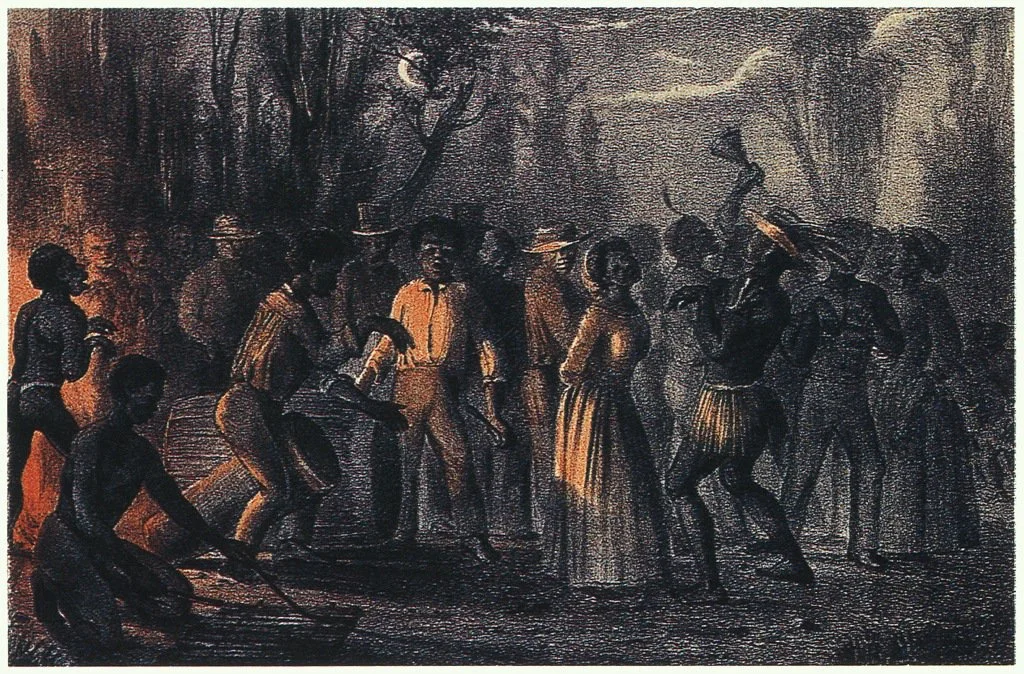
instruments
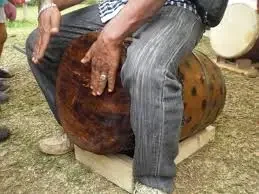
There are several instruments that are part of the iconic sound like the roulèr drum. The Roulèr drum, often simply called roulèr, it’s fabricated with an hallow oak barrel with goat or cow skin nailed on top of the barrel. The drummer lays the drum horizontally on the ground and sits on it and uses their hands to create a rhythm.
Kayamb, an instrument that is part of both the Maloya and Séga tradition. Made with sugarcane stem and brown saffron grains. To play it, the musician shakes it laterally with a cadence that mixes with the voice to create a rhythmical base for the song.
The Bobr, or even called the Bobr arc, is an instrument composed of an arc of wood, a cord, and a calabash. The musician puts the calabash against their body and grabs the cord with the other hand and takes a stick called a batavek to play the instrument.
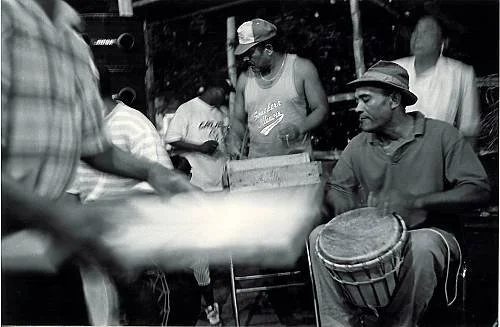
go listen
Within Maloya, you find themes of resistance, language defense, and defense of Reunionese heritage. A music that ties all Reunionese people together. A music that is sung in their Creole that still resounds in the Reunionese spirit. Maloya is not just a music played by gramoun (older people) it is a music that young people are interpreting and developing to render it more modern and popular for younger generations